Can Solar Power Give Us Unli-Rice?
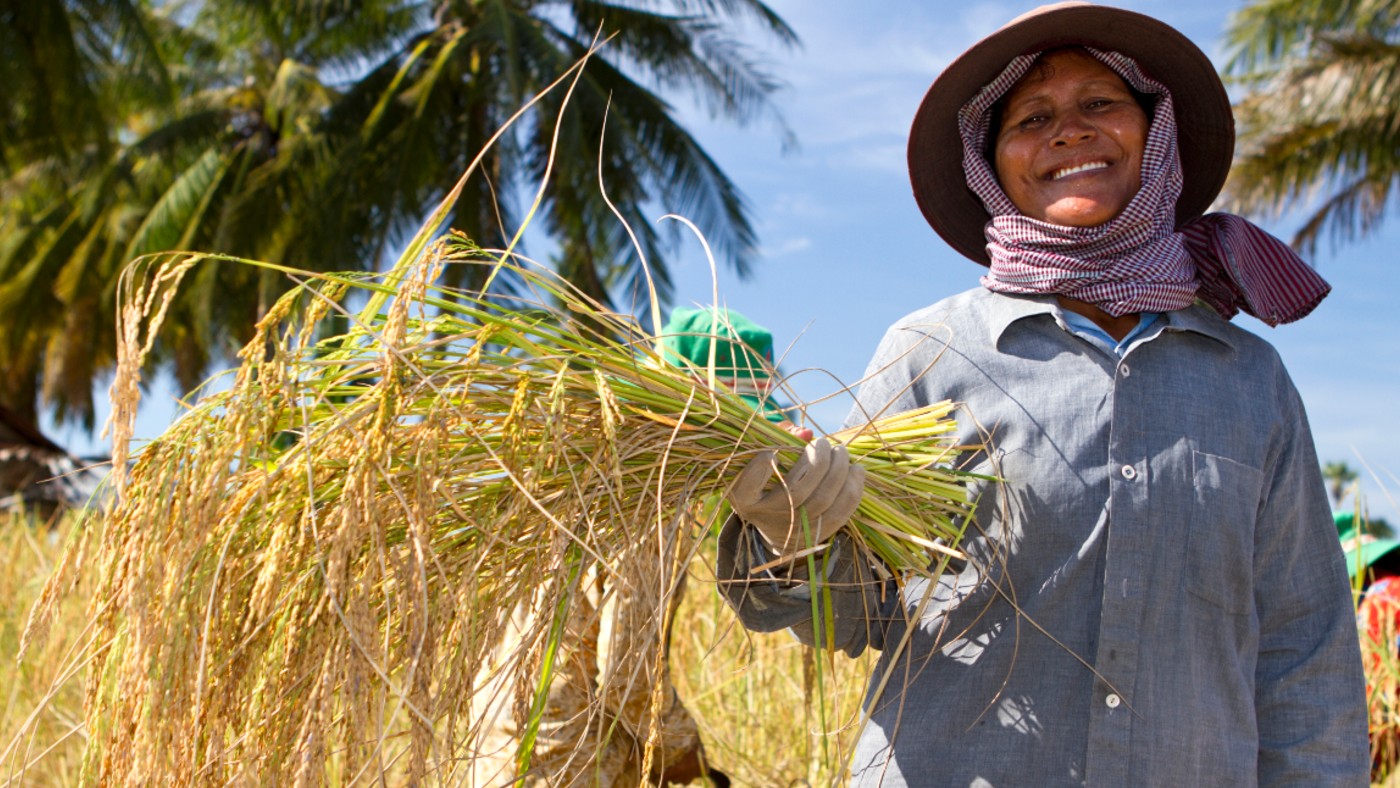
Palay. Bigas. Kanin. Rice occupies such a sacred place in the Filipino psyche that each form of this grain must have its own name. Over the years, we’ve evolved a special vocabulary to describe how much rice we desire. Whole. Half. Extra. Unli.
Data from the Philippine Statistics Authority in 2017 show that each Filipino consumes an average of 10 kilos of rice every month. Multiply that by the current population of 104 million, then demand for rice reaches about 12,480 kilos a year!
Globally, rice feeds about 3.5 billion people, according to the International Rice Research Institute (IRRI), the world’s premier rice research organization. IRRI data indicates that rice production must increase by 25 percent over the next 25 years just to match the demand, yet producers are straining to keep up.
Even as it combs through ancient strains of rice to find keys to more productive varieties, IRRI constantly looks to new technologies to provide “unli” rice for everyone.
Cool from the sun
At the IRRI compound in Los Baños, Laguna sits the International Rice Genebank.
It is the world’s largest repository of rice genetic diversity, preserving over 130,000 rice accessions from across the globe, at controlled temperatures as low as minus 20 degrees Celsius.
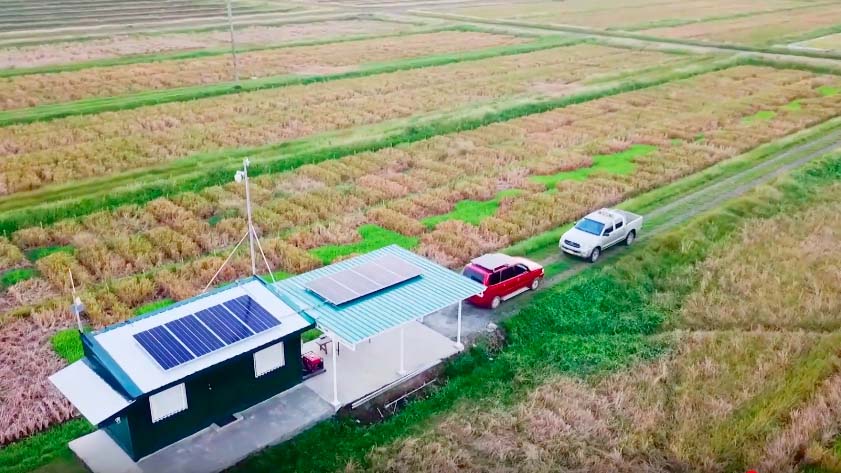
A solar installation in the middle of the rice fields powers drones that deliver liquid chemicals to rice crops.
That kind of chill takes plenty of precise power. And while the research institute has long relied on the Manila Electric Co. (Meralco) to deliver its energy needs, IRRI is committed to operating sustainably and reducing its carbon footprint.
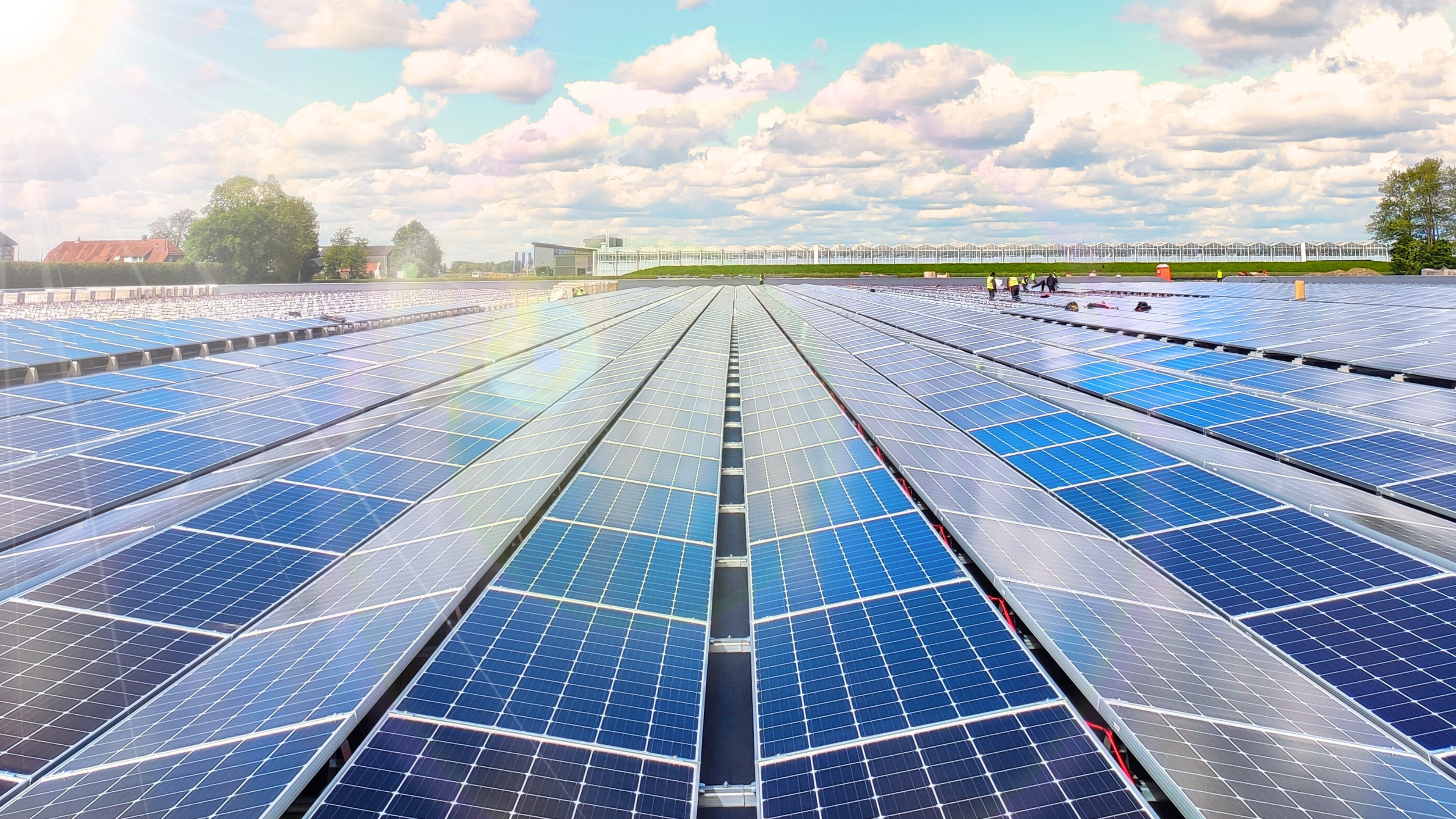
In April 2018, MSpectrum launched an 810-kilowatt-peak solar photovoltaic (PV) system for five buildings in the IRRI campus. A wholly owned subsidiary of Meralco, MSpectrum is a front-runner in renewable-energy solutions for both business and residential customers across the country.
According to MSpectrum officials, the PV system installed provides about 10 percent of IRRI’s energy requirements. From October 2017 to July 2018, the organization reduced its grid power consumption by some 1,328,856 kilowatt-hours, amounting to P800,000 in savings.
The renewable power system also drives one of IRRI’s latest innovations: a drone station.
Unmanned farming
Most people have heard of the drone or the UAV (unmanned aerial vehicle) as a weapon of war or a tool for surveillance. But it holds great potential as an agricultural tool; it has already replaced imprecise, wasteful crop dusting in parts of the world.
IRRI’s solar-powered drones deliver precise amounts of liquid chemicals to experimental rice crops. To minimize downtime and make operations even more labor- and time-efficient, drone operators charge these machines from a small command center, a solar installation in the middle of the rice fields.
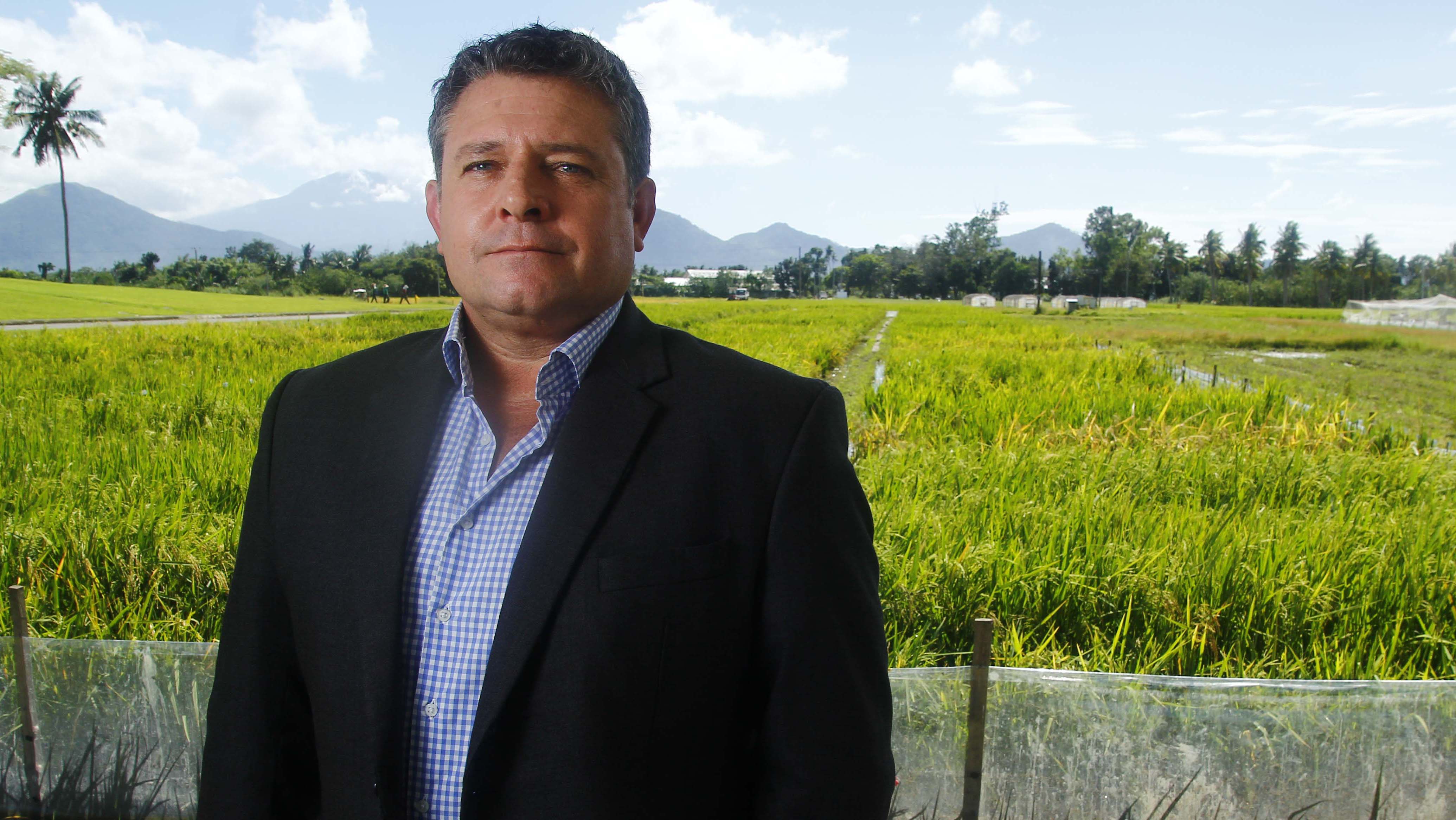
Mick Bartlett, director of operations for IRRI, says these sustainable systems can be duplicated across the world.
Mick Bartlett, director of operations for IRRI, announces the successful implementation of such sustainable systems can also be translated to other IRRI offices and centers across the world.
“It’s very important for us as an institute to walk the walk,” he acknowledges. “The less pressure we put on scarce natural resources within the Philippines, the better it is for everyone else. It is something we should replicate wherever we operate globally.”
For more ideas that power innovations, please click here.
To learn more about Meralco Corporate Partners and its services, visit our site. For inquiries, contact us or call our business hotline at 02 16210.
This article originally appeared on powerclub.com.ph https://www.powerclub.com.ph/power-partners/can-solar-power-give-us-unli-rice-a7-20190719
Share this article: